- +91-9799968878

Back to Top
-
Read more »
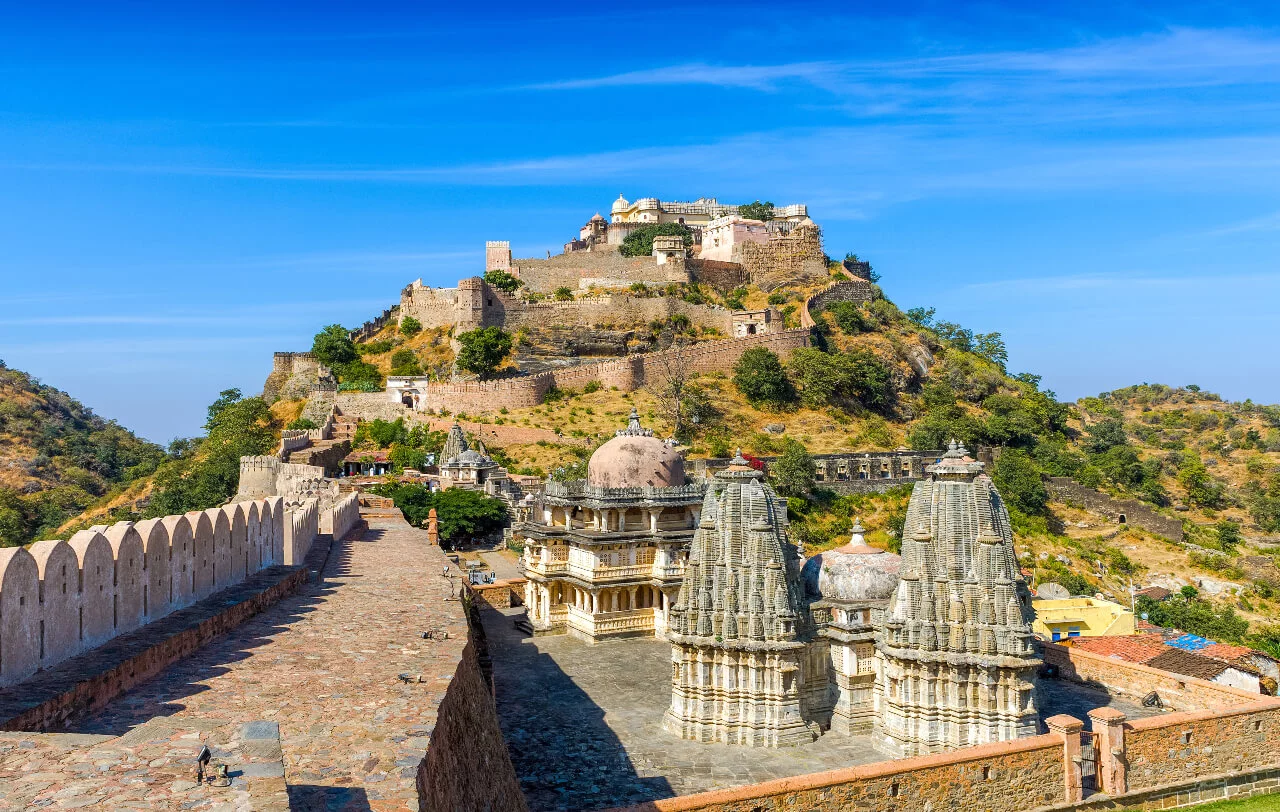
Also known as the ‘Palace of the Winds’, visiting Hawa Mahal is like stepping into a fairytale. The beautiful pink wall decorated with murals, sandstone, white powder and wash paintings boasts a series of 953 small lattice windows (or ‘jharokhas’) crowned with perfect honeycomb designs.
But here’s the secret about Hawa Mahal Jaipur, not everyone knows that hidden within these honeycomb walls is a world of perfection and purpose. And these complex network models aren’t just for show; they were designed to be ventilated and kept private, like a fragile desert rope.
So join us, as we give you a detailed guide through the honeyed paths of Hawa Mahal. Every stone holds a story, waiting to be discovered, in this magical palace that is intertwined with history and beauty.
-
 Read more »
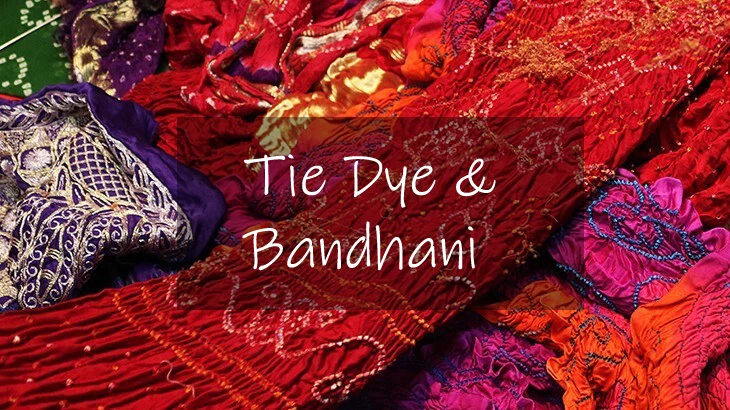
Tie & dye print was a part of trade, during the era of early trading. Some people believe that it was initially developed in Jaipur as ‘leheriya’; whereas other historians suggest that it was brought to India by the Muslim Khatris hailing from Sindh, who introduced it in Kutch. Even today, the Muslim Khatris are the largest community involved in the tie and dye business.
-
 Read more »
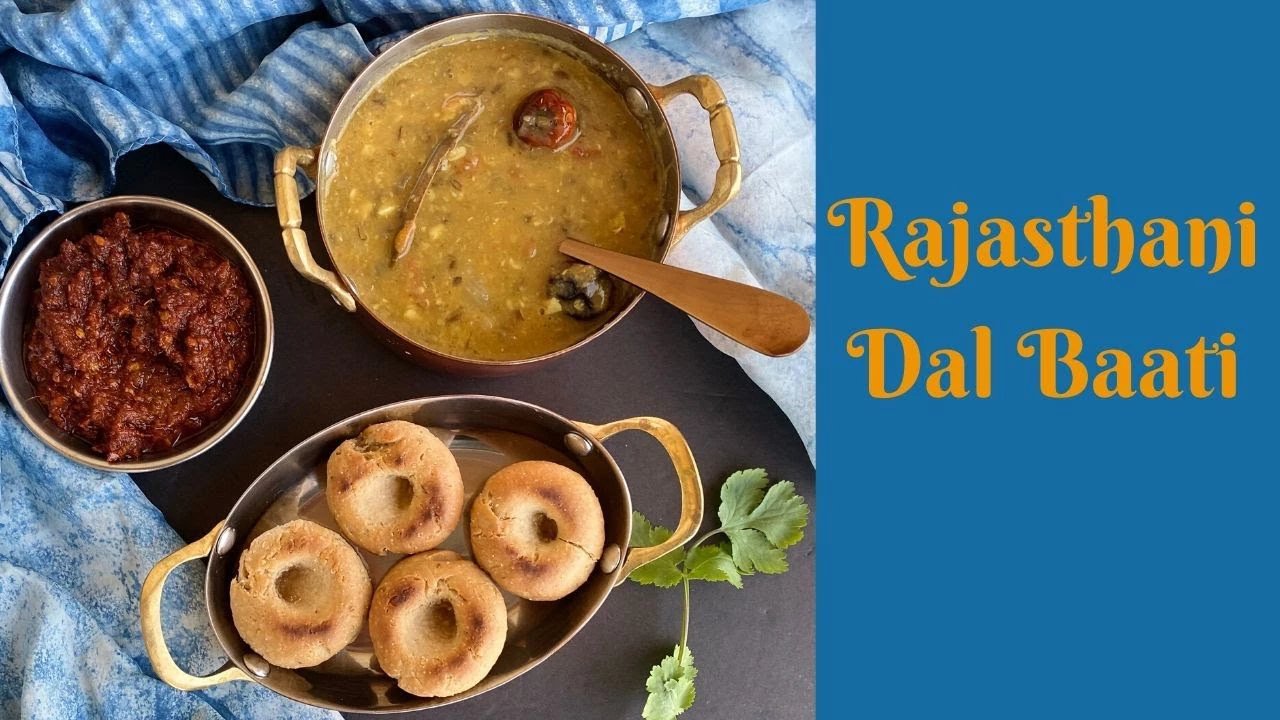
Discover the rich history and cultural significance of Dal Bati Churma, a traditional Rajasthani dish known for its unique combination of savory and sweet flavors. Explore recipes, cooking tips, and the heritage behind this beloved culinary masterpiece on Fabdia.
-
 Read more »
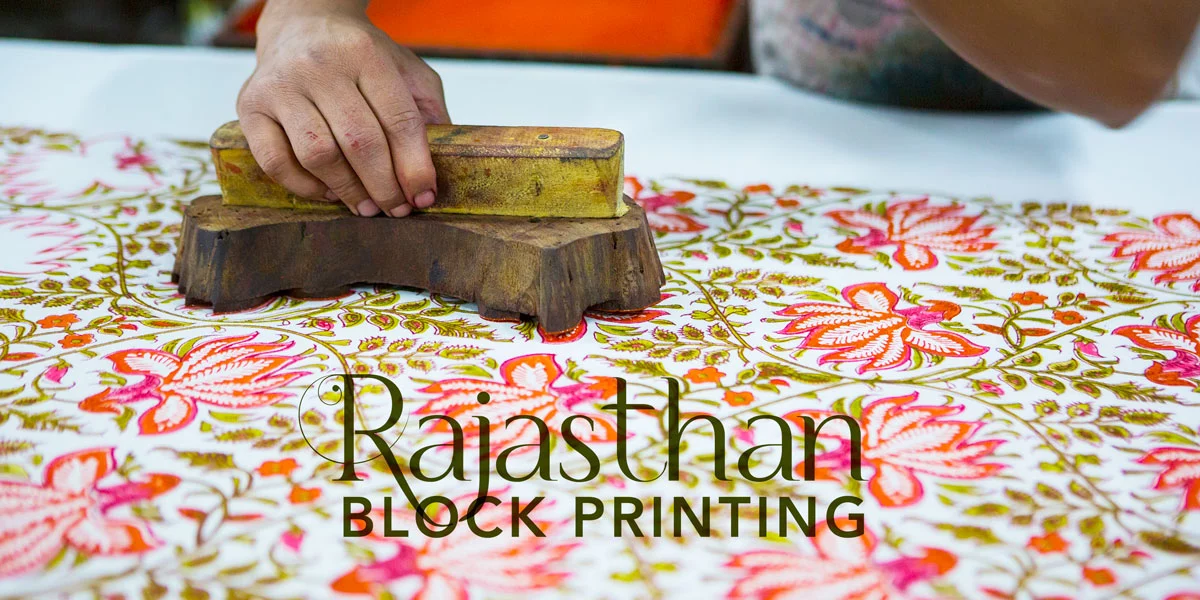
Hand block printing, a centuries-old textile art, is deeply embedded in the cultural fabric of Rajasthan, India. This intricate process involves the use of hand-carved wooden blocks, which are dipped in dye and pressed onto fabric to create elaborate patterns. The technique requires steady hands, precise movements, and excellent hand-eye coordination to ensure that each pattern is accurately and consistently applied.
-
Recent Posts