- +91-9799968878

Back to Top
Posted:
June 21, 2024
History of Rajasthani Dal Bati Churma
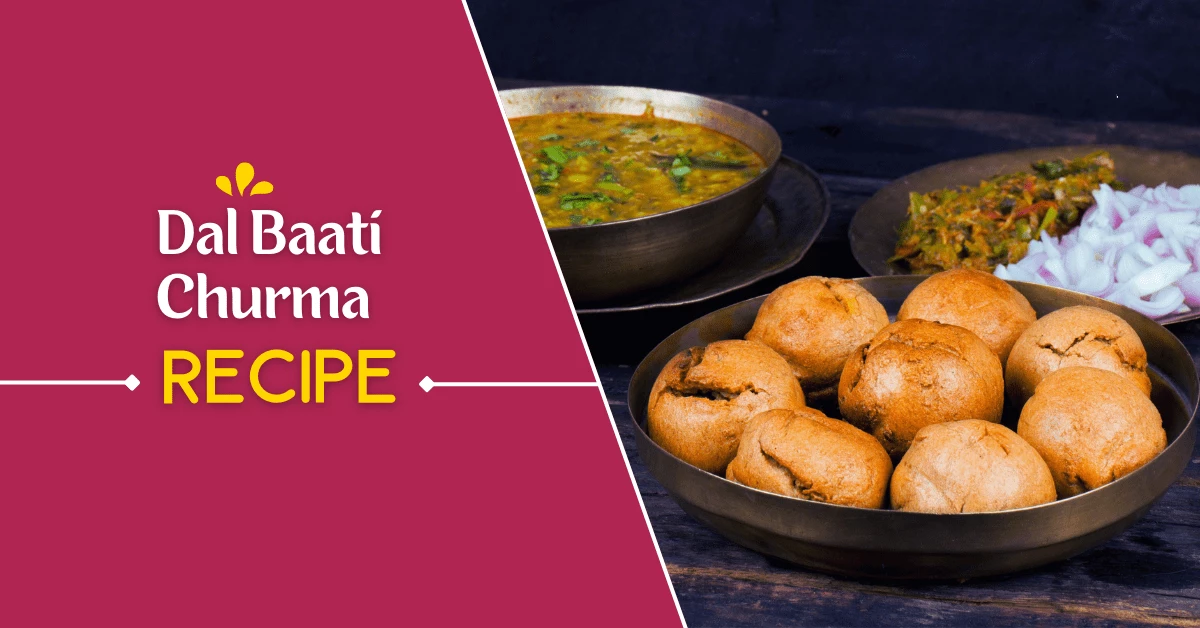
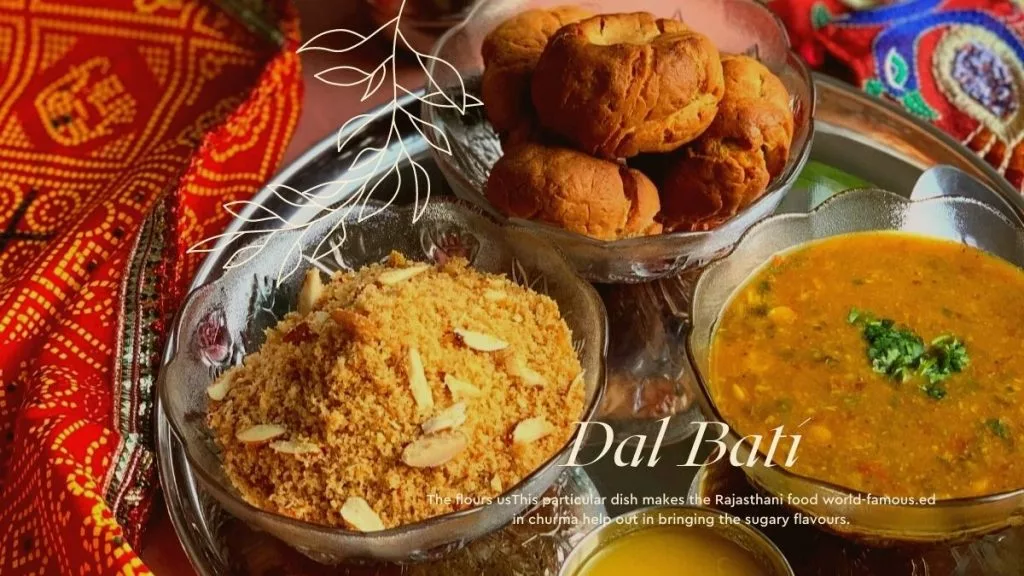
Dal Bati Churma is a quintessential dish from the Indian state of Rajasthan, embodying the rich culinary traditions and resourcefulness of its people. This hearty, nutritious, and flavorful meal consists of three main components: Dal (lentil curry), Bati (hard wheat rolls), and Churma (sweet crushed wheat balls). Each element contributes to a balanced and wholesome dining experience that is both satisfying and reflective of Rajasthan's culture and history.
Origins and Evolution
Ancient Roots: Dal Bati Churma has deep roots in Rajasthani history, tracing back to the time of the Rajput warriors. The harsh climate of Rajasthan, characterized by extreme heat and scarce water, shaped the development of its cuisine. The ingredients used in Dal Bati Churma, such as wheat and lentils, are staples that can withstand the arid conditions of the region.
Rajput Influence: The dish is believed to have been a staple for Rajput soldiers due to its high nutritional value and ease of preparation. The battis (wheat rolls) could be partially baked and carried during long journeys, then finished over an open flame when needed. This practicality made it an ideal food for warriors on the move.
Cultural Integration: Over time, Dal Bati Churma became an integral part of Rajasthani celebrations and festivals. The dish is often prepared for special occasions such as weddings, Diwali, and other regional festivities. Its preparation and consumption are steeped in rituals and communal harmony, reflecting the social and cultural ethos of Rajasthan.
Components and Preparation
-
Dal:
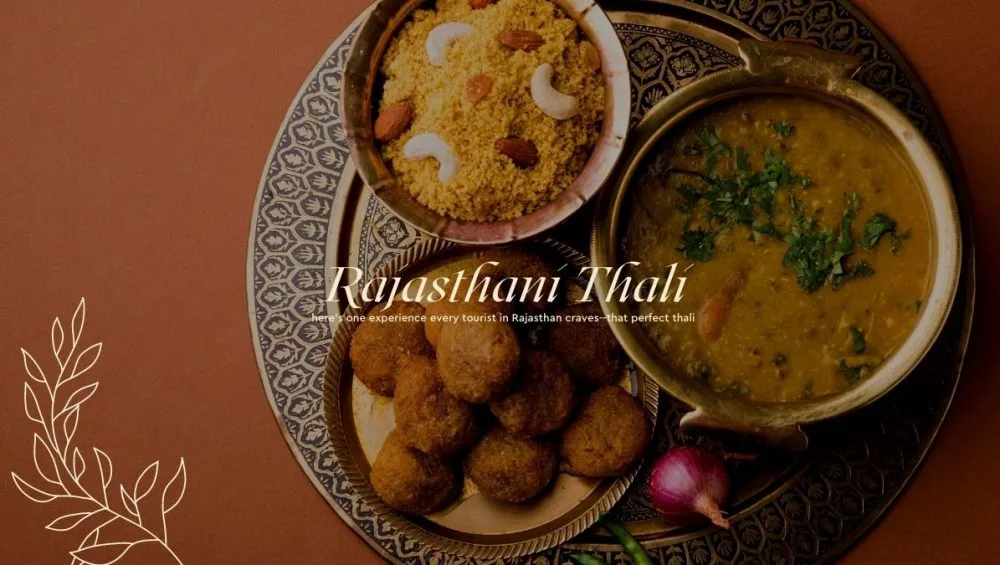
- The dal is typically made from a mixture of lentils such as moong dal, chana dal, and urad dal. These lentils are cooked with a blend of spices, including turmeric, cumin, and coriander, to create a rich and flavorful curry. The use of ghee (clarified butter) is essential, adding depth and richness to the dal.
-
Bati:
- Bati is made from coarsely ground wheat flour, shaped into round balls, and baked until they are golden and crisp. Traditionally, batis are cooked in a charcoal fire or in a tandoor (clay oven), giving them a distinct smoky flavor. Once cooked, they are often broken open and drizzled with ghee to enhance their taste and texture.
-
Churma:
- Churma is made by crushing bati and mixing it with ghee and jaggery (unrefined cane sugar) or sugar. Sometimes, nuts and cardamom are added to enrich the flavor. This sweet component balances the savory dal and the slightly bland bati, creating a harmonious blend of flavors.
Significance and Modern Adaptations
Culinary Significance: Dal Bati Churma is more than just a dish; it represents the resilience and creativity of the Rajasthani people. It showcases how simple ingredients can be transformed into a meal that is both delicious and nutritious.
Modern Adaptations: In contemporary times, Dal Bati Churma has seen various adaptations to cater to diverse palates. Some modern versions include stuffed batis with fillings like peas, potatoes, or paneer. Additionally, innovations in cooking methods, such as using ovens and pressure cookers, have made the preparation of this traditional dish more accessible.
Cultural Heritage: The dish remains a symbol of Rajasthani hospitality and is often served to guests as a gesture of warmth and respect. Cooking and sharing Dal Bati Churma is a way to preserve and pass down culinary traditions from one generation to the next.
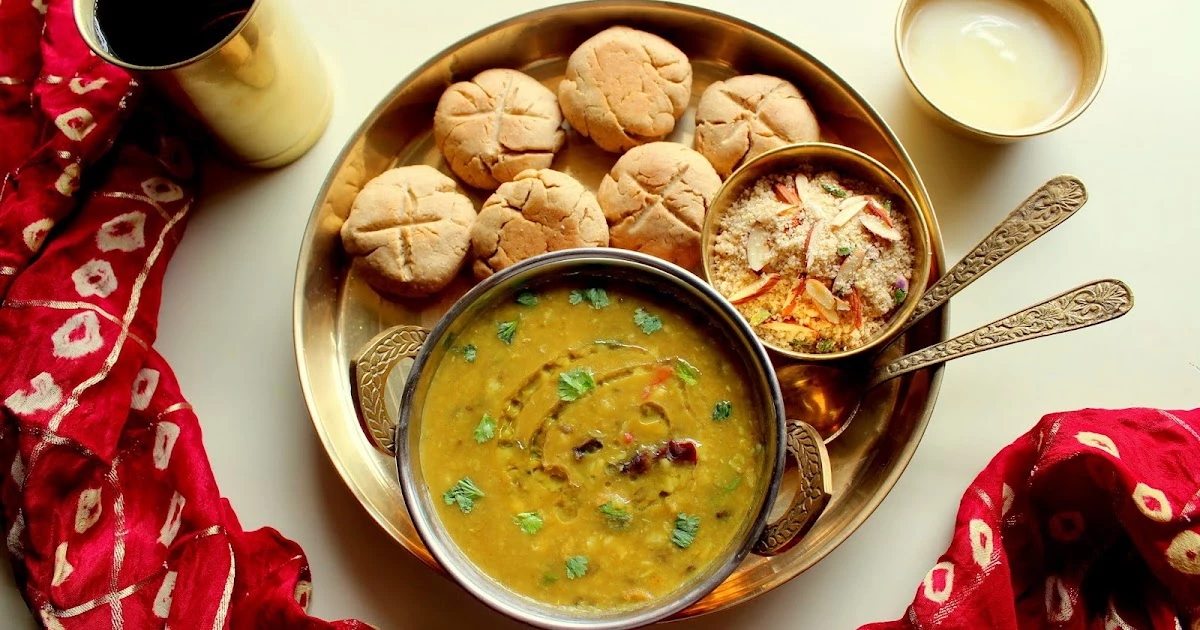
Receipe:
Cuisine: Rajasthani
Course: Lunch
Diet: Vegetarian
Equipments Used: Hard Anodized Pressure Cooker, Hard Anodised Kadai (Wok), Convection Microwave Oven, Preethi Zodiac 750-Watt Mixer Grinder
Ingredients for Bati and Churma
- 2 cups Whole Wheat Flour , (or a combination of flours)
- 1 cup Sooji (Semolina/ Rava)
- 1/2 cup Ghee
- 1 teaspoon Ajwain (Carom seeds)
- 1 teaspoon Baking powder
- Salt , to taste
- 1/4 cup Jaggery , for churma
- 1/4 cup Green Moong Dal (Split)
- 1/4 cup Black Urad Dal (Split)
- 1/4 cup Chana dal (Bengal Gram Dal)
- 1 Onion , finely chopped
- 1 inch Ginger , finely chopped
- 1 Green Chilli , slit
- 3 clove Garlic , finely chopped
- 1 Tomato , finely chopped
- 1 Bay leaf (tej patta)
- 1 inch Cinnamon Stick (Dalchini)
- 1 teaspoon Turmeric powder (Haldi)
- 1 teaspoon Garam masala powder
- 5 sprig Coriander (Dhania) Leaves , chopped
- 1 teaspoon Ghee
- 1 teaspoon Cumin seeds (Jeera)
- 2 Dry Red Chillies , halved
How to make Rajasthani Dal Bati Churma Recipe | Dhaba Style recipe
-
To begin making the Dal Baati Churma Recipe, we will first making the bati.
-
Combine all the ingredients for the Bati together, except the jaggery until well combined. Add water to combine it well and make a smooth and yet stiff dough. Leave the bati dough aside for 20 minutes so it rests and becomes fluffy with the baking powder that we added.
-
Once the baat dough is well rested, knead again for a few minutes.
-
Divide the dough in large lemon size portions (about 12 to 15 of them). Preheat the oven to 180 C and bake the bati in the oven for about 20 to 30 minutes until browned on both sides.
-
Make sure to keep turning the baatis around, until it is browned from all sides. The batis will tend to crack from the top while it is baking and that's completely natural.
-
Once the batis are golden brown in color from all sides, remove them from the oven.
-
For the churma, I usually make it from the same baked bati balls. Take 3 to 4 of them, crush them and combine them with jaggery in a mixer to make a coarse powder. And that's it, churma is ready. The salt from the batis does not overwhelm the taste and tastes perfectly fine.
-
The next step is to make the dal for the dal bati.
-
To make the dal, add all the ingredients into the pressure cooker, except the ingredients for the tadka
-
Add 2-1-/2 cups of water and pressure-cook the dal for two to three whistles. After two whistles, turn the heat to low and simmer for 10 minutes and turn off the heat.
-
Once the pressure is released completely, open the cooker and your dal is ready. Check the salt and spices and adjust to suit your taste. Transfer the dal to a serving bowl.
-
The next step is to make the tadka. Heat ghee in a small pan, add the cumin seeds and red chilies. Allow them to roast and crackle. Once done, turn off the heat and pour the seasoning over the dal and serve with the hot baatis.
-
Serving baatis are usually done in individual portions and bowls.
-
In a small serving bowl, add 2 batis, lightly crush them, drizzle some ghee over the baked baatis. Pour the dal over the baked baatis and serve. I personally like to add the churma over the baatis as well to give it a sweet touch and a delicious taste as well.
-
Serve the Rajasthani Dal Bati Churma for a wholesome weekend lunch or even for parties with friends.
Conclusion
Dal Bati Churma is a testament to the rich cultural heritage and culinary ingenuity of Rajasthan. Its history, deeply intertwined with the region's climatic conditions and socio-cultural practices, makes it a beloved dish that continues to be celebrated both within and outside Rajasthan.
Recent Posts